Catherine, Princess of Wales reveals why she joined cancer support group
Catherine, Princess of Wales is seen joining a cancer support group in her new documentary Heal to allow her to discuss the illness "outside family walls".
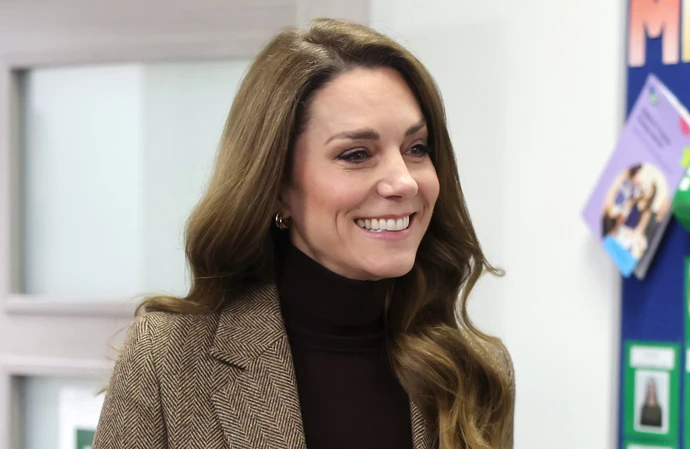
Catherine, Princess of Wales joined a cancer support group so she could discuss the disease "outside family walls".
The 44-year-old royal – who was treated for an undisclosed form of cancer in 2024 – is seen joining a meeting of the Shine Cancer Support group at a pub in west London in a clip from her new documentary Heal, which will air on the BBC on Sunday (29.11.26) and sees the princess share her experiences of cancer.
Catherine – who has children Prince George, 13, Princess Charlotte, 11, and Prince Louis, eight, with her husband Prince William - is seen thanking other survivors of the illness for allowing her to hear their experiences and tell them of her own.
The princess says: "Genuinely, meeting you all here today really means a lot to me because it’s just lovely to be able to share my personal experience, but also hear your stories and be able to connect with others who’ve gone through something similar.
"I haven’t really explored this outside my family walls, really. So thank you for allowing me the time to do that and the open space to explore that. I really appreciate it, thank you."
The documentary features Catherine discussing her cancer diagnosis and recovery and follows her as she completed the Three Peaks Challenge earlier this year – in which she climbed the highest peaks in England, Scotland and Wales over the course of one day.
She says in the clip: "Navigating cancer or any long-term illness is a lonely road.
"But it’s clear we’re not meant to carry life’s challenges alone.
"My illness has brought me alongside so many others navigating their own journeys too. This has become so much more than a personal or solitary experience but really a collective one."
The royal, who introduces herself as "Catherine" in the clip, is seen hearing from other cancer patients about their experiences of cancer treatment.
Joss Serraillier, a member of the group, says: "You’re going through so much in terms of turning over the earth in who you are and what your identity is. You don’t get any help with that from doctors or the language that they use.
"There are no tools in the clinical settings to help with that.
"Finding language or finding other people, that community or art or something, these are the only tools we have, I think, to explain and exercise your uncertainty and become okay with it."