Russell Brand’s ‘not guilty’ prison message sparks fury as YouTube refuses government demand to remove video
The jailed comedian’s statement, read aloud by his wife Laura Gallacher, has triggered a dispute between ministers and Google, while prison authorities investigate whether his public message breached regulations.
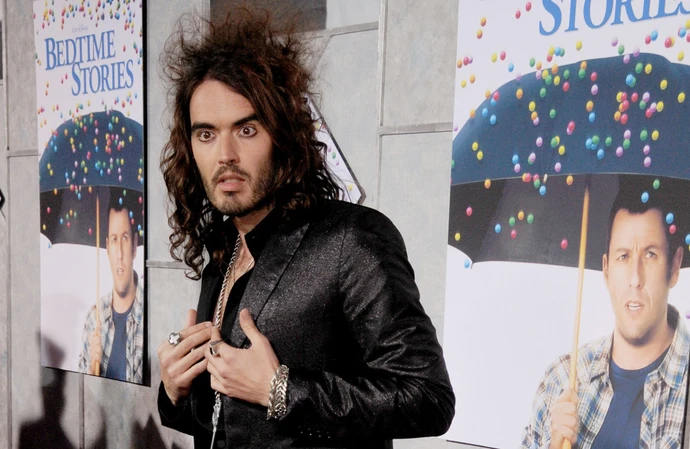
Russell Brand is at the centre of a dispute between the British government and YouTube after the video-sharing platform refused a request to remove a message in which the jailed comedian maintains his innocence following his reported conviction for rape and sexual assault.
The former television presenter, 51, was sentenced to 10 years and six months in prison, with the new controversy emerging after his wife, Laura Gallacher, posted a video on Sunday (15.11.26) as part of their Sunday Service with the Brands series.
According to the BBC, the Prison Service of England and Wales asked YouTube to take down the recording, arguing it was offensive to the victims.
Google, which owns the platform, declined the request, while prison authorities began examining whether Russell had breached regulations by communicating publicly from custody.
In a statement to the BBC, Google said: “We are aware of the new content and our teams are investigating.”
The company added: “We suspended Russell Brand’s channel from the YouTube Partner Program in September 2023. The channel has not been able to monetise on YouTube since then.”
The disputed recording from Sunday featured Laura, who married Russell in 2017, addressing viewers about her husband’s reported conviction before reading a message attributed to him.
In the statement, Russell said: “As you know, I am not guilty for the offences I have been jailed for, so something strange is happening.”
Laura also told viewers her husband was “okay” and “praying” while in prison.
The couple have three children together, and Laura has previously appeared alongside Brand in videos discussing their family life, religious beliefs and personal experiences.
According to the BBC, the Prison Service formally requested the removal of the video because of concerns about its impact on the victims and the substantial audience it had reached.
YouTube declined to remove the recording on the grounds that it did not breach the platform’s community guidelines, although Google said the content remained under review.
The decision prompted criticism from members of the British government, including housing minister Matthew Pennycook, who condemned the recording.
Mr Pennycook described the video as “abhorrent” and said ministers remained in “close dialogue” with Google over the matter, according to the BBC.
The dispute has also raised questions about the ability of convicted prisoners to communicate with audiences through social media accounts operated by relatives or other individuals outside prison.
British prison authorities are investigating whether the statement attributed to Russell breached rules governing communications from custody.
The row comes after Meta took separate action against Brand’s social media presence following his conviction earlier this month.
The technology company disabled his Instagram, Facebook and WhatsApp accounts under policies restricting accounts owned or operated by convicted sex offenders.
His YouTube channel and account on X, formerly Twitter, have remained accessible.
Brand first rose to prominence as a stand-up comedian and television presenter, becoming a familiar face on MTV before hosting Big Brother’s Big Mouth and appearing in several high-profile films.
His acting credits include Forgetting Sarah Marshall, Get Him to the Greek, Arthur and Rock of Ages. He also appeared alongside Dame Helen Mirren in The Tempest and voiced Dr Nefario in the Despicable Me franchise.
He later became known for his online commentary, podcasting and political discussions, building a substantial audience through YouTube and other digital platforms.
His channel was removed from the YouTube Partner Program in September 2023, meaning he could no longer earn advertising revenue directly through the platform.
That restriction followed the publication of allegations of sexual misconduct against him, which Brand denied.
In November 2026, he was sentenced to 10 years and six months in prison after being convicted of one count of rape and three counts of sexual assault.