Christy Carlson Romano doesn't want daughters to become child stars like her
Former Disney Channel child star Christy Carlson Romano has revealed what she'll do if her daughters want to pursue a career in the arts.
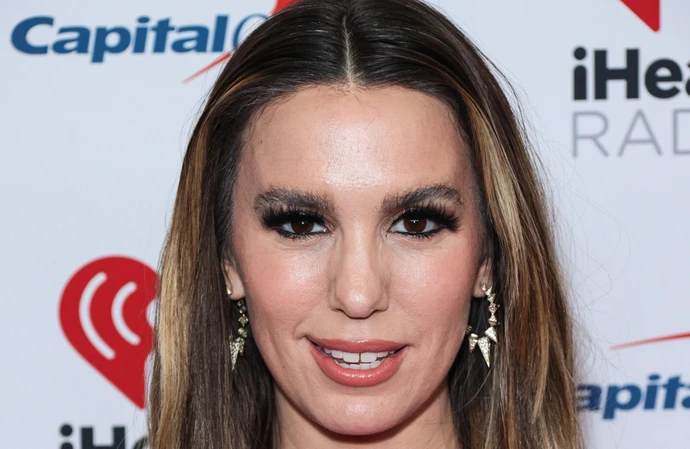
Christy Carlson Romano doesn't want to be a stage parent to her daughters.
The 42-year-old former child star, who rose to fame with Disney Channel roles in the likes of Even Stevens, Kim Possible and Cadet Kelly, has opened up about how she plans to raise her and husband Brendan Rooney's girls, Isabella and Sofia.
She told USA Today: "I do think that stage parents have a certain psychological profile in being so self-sacrificial, and that's not for me. Making money from something becomes a very different experience than just enjoying it for the sake of learning about it."
Christy admitted that she would support her kids if they want to get involved in the arts.
However, she added: "[They would have to] start small, and certainly not at a level that would be like pushing them into a casting office just because I have the resources to do that."
Christy has opened up about her experience as a child star being raised by her mother, Sharon, who guided her early career.
In her new book, Once Upon a Trainwreck: The Fall and Rise of a Child Star, she recalls her mother's commitment, including rushing her through New York City to audition for Broadway productions and even moving to the other side of the US for her Disney Channel career.
In the new interview, she said: "My husband and I would make really great stage parents, but it's also a tremendous amount of responsibility to sacrifice your career for your children's career. And it's not for everyone."
She noted that it's important for any young artist's career to be subject to "strict regulations", like social workers on set to represent each child star.
Christy explained: "Having advocates around you as a child will help you grow up with a more healthy understanding that you had people there in your corner protecting you as a child.
"I think that trauma compounds when you get older and you look back and say, 'No one was there for me.'"