
Melissa Gilbert calls for better protection for child stars
Former Little House On The Prairie actress Melissa Gilbert has called for better protection for child stars following the deaths of Hayden Panettiere, Daveigh Chase and Michelle Trachtenberg.
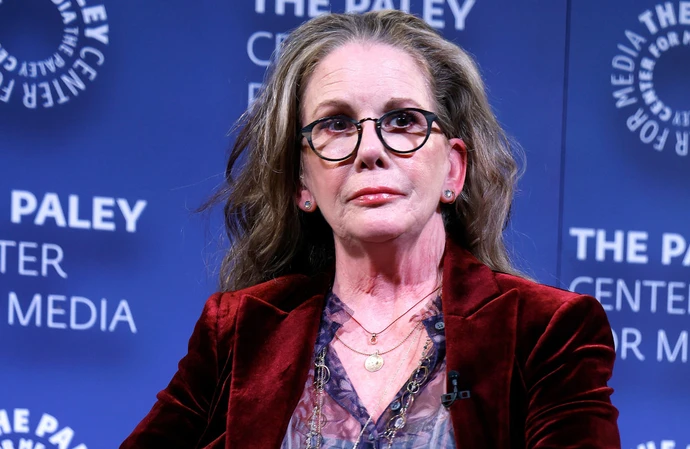
Melissa Gilbert has called for better protection for child stars following the deaths of Hayden Panettiere, Daveigh Chase and Michelle Trachtenberg.
The 62-year-old actress shot to fame as a youngster when she landed a leading role in Little House On The Prairie and she's now opened up about the difficulties faced by child actors and the struggles they face as they grow up - and shared her outrage over the recent loss of the three women who all started work in the entertainment industry when they were children.
In an essay posted online, Melissa wrote: "Within one year, Michelle Trachtenberg, Daveigh Chase and Hayden Panettiere have died. DIED! Three former female child actors of the same generation are gone. Tragically, heartbreakingly, agonizingly too soon ...
"And why does this all feel so personal to me? I did not know Hayden personally and only worked briefly with Mishy and Daveigh. It feels personal because I was them ...
"We are all members of the same tribe; Female Former Child Performers, and when one of us dies, it runs through all of us like an electrical current. When three of us die so close together, something is very, very wrong."
Melissa - who is president of the President of the Screen Actors Guild union - went on to claim the invention of camera phones and the loss of privacy may have contributed to the tragedies and she called for serious changes to protect youngsters.
She wrote: "Where is the collective outrage? Where are the regulations? Where is the protection of privacy?
"It really seems like no one cares enough to enact real change. At least, not until the next death and everyone talks about how sad they are and how we must do something and then they forget and get on with their lives until it happens again and again and again."
Melissa also opened up about her own time as a child star - claiming she felt obliged to continue working even when she was "horribly sick" or grieving the death of her father, who passed away when she was 11 and was working on the TV show.
She added: "I can’t tell you how many times I worked while horribly sick, injured or worse. My father died when I was just eleven years old and I was back working on Little House within months. And not one single adult on that set discussed it with me or offered condolences.
"I later found out that the fear was I would become too upset to work. I was eleven, my Daddy had just died and I was shattered. Thank God my character cried in every single episode. That, as twisted as it sounds, was my therapy. My release.
"But that set me up for a pattern of working no matter what. I even nearly worked to death a few times ... I’ve since worked with pneumonia, through divorces, deaths, with the flu, broken toes, a concussion, stitches, a dislocated knee, and danced on stage in a musical for six months, with what I would later find out was a broken back, because I didn’t want to cause problems or be thought of as unreliable or worse, a diva ...
"That is what we are taught as young actors. These young professionals are children, and we should make sure they are allowed to be children.
"They should be allowed to say 'no'. Not push through physical or emotional pain. Not be made to support their entire families. And most certainly not to be followed everywhere they go by cameras, phones and prying, exploitive eyes ... "
Melissa went on to conclude all former child stars should be given "free mental health support" to help them transition into adulthood.
She wrote: "Maybe we start a group of our own to meet and share ideas and ways we might be able lobby to support these young women. Maybe we sit down with the heads of the studios and Networks and have real conversations about mitigating exploitation ...
"I think if we collectively had the opportunity to sit down with these “bosses” we might be able to work with them to Lobby for and enact real, substantive change.
"Mental health care is available for corporate, tech, public sector and government workers, but for performers it is only available if one qualifies for health insurance based on earnings.
"We need to work with the studios and networks to establish accessible free mental health support for all child actors as they transition into young adulthood. That can only be accomplished with industry-wide cooperation."