
iPhone 18 Pro ‘to feature punchhole camera design as Apple moves Face ID sensors under the display’
Apple is reportedly set to overhaul the iPhone’s front design with the iPhone 18 Pro, replacing the pill-shaped cutout with a punch-hole camera as Face ID sensors move under the display.
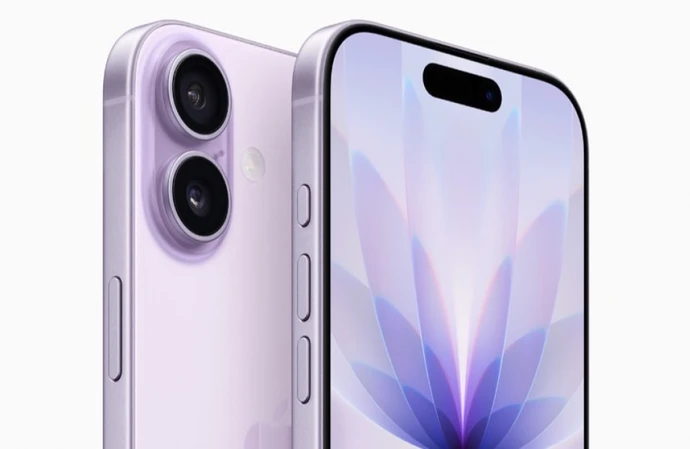
Apple is reportedly working on a punch-hole camera design for the iPhone 18 Pro and 18 Pro Max.
According to leaker Digital Chat Station, posting on Weibo, both the upcoming devices will retain their current display sizes - roughly 6.3 inches and 6.9 inches, respectively - but will ditch the familiar pill-shaped cutout used for the Dynamic Island.
Instead, Apple is said to hide its TrueDepth Face ID system beneath the display, leaving only a small punch-hole opening for the front-facing camera, reportedly positioned in the top-left corner.
The claim aligns with a December report from The Information, which also said Apple plans to debut under-display Face ID on its next Pro models.
If accurate, it would mark the most radical visual shift to the iPhone’s front since the introduction of the notch in 2017 with the iPhone X, and a major step toward Apple’s long-term goal of a fully uninterrupted screen.
What remains unclear is the future of Dynamic Island, as even with Face ID hardware concealed under the panel, Apple could still preserve it as a software feature for Live Activities, navigation prompts and alerts.
Alternatively, the feature could shrink or appear only when needed, signalling a transitional phase before Apple eventually removes all visible camera cutouts.
Leaks have suggested the redesign will be exclusive to the Pro line, and the standard iPhone 18 and the second-generation iPhone Air are expected to keep Dynamic Island intact.
Those models are now widely rumoured to be delayed until spring 2027 instead of releasing in the standard September window, giving Apple more time to stagger hardware changes across its lineup.