
Samsung confirms major screen upgrade coming to Galaxy phones
Samsung has confirmed its future Galaxy phones will debut a hardware-backed privacy display that dynamically limits off-angle viewing while keeping the screen clear head-on, positioning it as a flagship upgrade focused on real-world privacy and security.
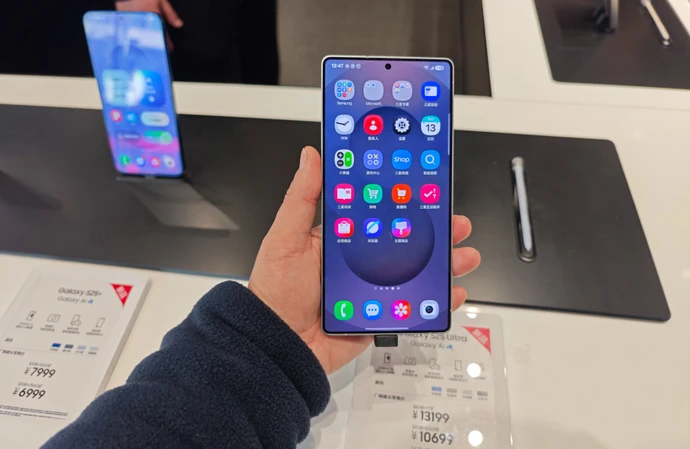
Samsung has unveiled a new privacy screen for its upcoming Galaxy phones.
The company has confirmed that a major display upgrade is coming to its new devices, introducing what it calls a “new layer of privacy” designed to tackle shoulder-surfing.
As smartphones increasingly act as digital wallets, ID cards and password vaults, Samsung is betting that privacy in public spaces will be a defining feature of its next flagship.
Unlike traditional privacy screen protectors, which physically limit viewing angles and often make displays dim or awkward to share, Samsung’s solution is built directly into the display stack.
The system combines hardware and software to selectively control what is visible on screen, and when.
Rather than blurring everything for anyone sitting nearby, users will be able to apply privacy protection to specific apps, notifications, or sensitive moments such as entering passwords or authentication details.
According to Samsung, the feature has been more than five years in development and operates at a pixel level.
When viewed head-on, the display remains clear and bright, but visibility automatically drops when the phone is seen from the sides, top or bottom.
Leaks suggest the feature will live in the Display settings, with a Quick Settings toggle and optional app-based automation, allowing it to activate only when needed.
The privacy screen is expected to debut exclusively on the Samsung Galaxy S26 Ultra, which is also tipped to receive a display materials upgrade.
Reports have indicated the phone will retain a 6.9-inch panel but move to Samsung’s newer M14 OLED material, improving efficiency and potentially pushing peak brightness close to 3,000 nits.
That combination of higher brightness and dynamic privacy filtering is key, as Samsung wants protection without sacrificing the premium visual experience its Ultra models are known for.
Crucially, Samsung has positioned the feature as part of its broader security ecosystem rather than a gimmick.
The company says the display enhancement builds on Samsung Knox, adding visual privacy to existing protections like secure hardware enclaves and encrypted storage.
As phone theft increasingly targets data rather than devices, that layered approach could resonate with users who commute, travel, or work frequently in public spaces.
While Samsung has not yet confirmed whether the technology will reach other Galaxy models, its hardware-dependent design suggests it will remain an Ultra-level differentiator, at least initially.