
Toy Story proves its ‘No. 1 animated franchise’ status with staggering ‘$51 billion global impact on economies’
A new Disney-commissioned study estimates the Pixar franchise has generated $51 billion in worldwide economic activity, as Toy Story 5 continues to dominate the global box office.
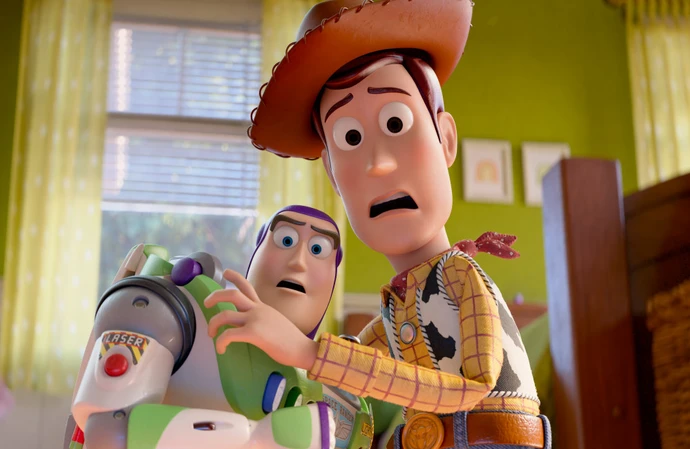
Disney and Pixar’s Toy Story franchise has reportedly generated an estimated $51 billion in global economic activity over the past three decades.
According to a newly commissioned study released as Toy Story 5 continues its dominant run at the worldwide box office, after the animated series, which began with the groundbreaking original Toy Story in 1995, became one of the Walt Disney Company’s most valuable entertainment properties.
Disney-commissioned research by independent impact advisory firm Steward Redqueen estimates the franchise has contributed $51 billion to the global economy through consumer spending on films, merchandise, theme parks, streaming, music and related industries.
The findings come as Toy Story 5 has surpassed $880 million at the global box office since its June release and continues to lead theatrical charts, while the franchise also remains Disney+’s most-streamed film series.
The success extends the legacy of Pixar’s signature franchise, which introduced audiences to Woody and Buzz Lightyear and helped establish the studio as a dominant force in feature animation.
Discussing the report, Disney chief brand officer Asad Ayaz was quoted in Variety saying: “This is our No. 1 animated franchise.”
He added: “I don’t think there’s many other franchises that have been embraced by audiences and critics over the course of three decades. People who were kids when the first movie came out are taking their own children to the new Toy Story.”
According to Steward Redqueen, much of the reported economic impact if the series stems from consumer product sales, including toys, clothing, games and other licensed merchandise featuring characters from the films.
The report also factors in revenue linked to manufacturing, transportation, tourism, retail, utilities and theme park attractions inspired by the franchise.
Disney’s direct economic benefit from Toy Story is estimated at $16.2 billion through merchandise, cinema admissions and home entertainment.
According to the study, that figure exceeds the combined $15.4 billion the company spent acquiring Pixar, Marvel and Lucasfilm.
The report also highlights the franchise’s multi-generational appeal.
Millennials account for an estimated 74 percent of Toy Story’s overall economic impact, reflecting audiences who first watched the original film as children before introducing the series to their own families.
Generation Z contributes 19 percent, while Generation Alpha represents the remaining 7 percent.
Steward Redqueen estimated almost $25 billion of the franchise’s total economic activity has been generated in the United States, with California and Florida – home to Disney’s theme parks – among the states benefiting most, alongside Texas, New York and Illinois.
The consultancy said its calculations included consumer spending across theatrical releases, Disney+, home entertainment, music, theme parks, live experiences and licensed products.
It also measured indirect economic contributions created through suppliers, manufacturers, distributors and retailers connected to the franchise.
The report marks the first time Disney has commissioned an economic impact study focused on one of its entertainment franchises.
First released in 1995, Toy Story transformed computer animation and launched a franchise centred on Woody, Buzz Lightyear and their fellow toys that has expanded through sequels, television specials, short films, theme park attractions and an extensive range of consumer products.