Play School returning after 38 years with modern makeover
The BBC is reviving its much-loved pre-school programme with shorter episodes, familiar toys and a format designed for a new generation of young viewers.
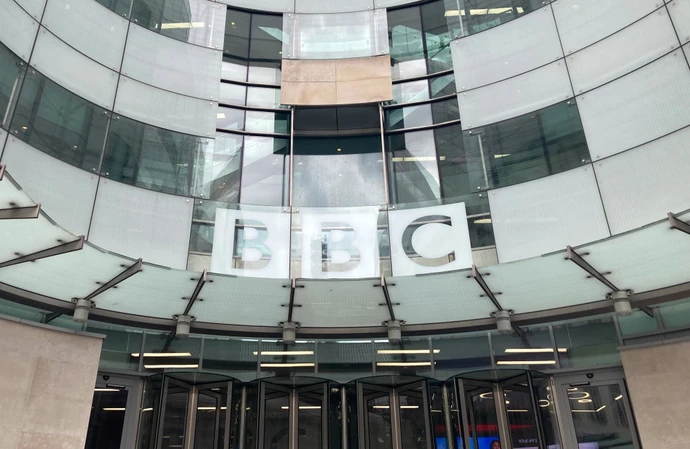
Play School is returning to the BBC after 38 years – with its famous toys set to be reimagined for a generation growing up with YouTube and on-demand television.
The BBC has invited production companies to pitch ideas for a new version of the pre-school favourite, which ran in Britain for more than two decades before ending in 1988.
The broadcaster wants to commission 50 live-action episodes lasting 14 minutes each – considerably shorter than the original instalments – with the revived programme expected to begin airing during the 2027-28 financial year.
The BBC’s commissioning document says: “The toys remain some of the most cherished elements of Play School and are fondly remembered by generations of viewers.
“We would like the new version of the programme to bring to life a version of the toys in a contemporary capacity aligned to the expectations of today’s children.”
It adds: “We are open to exploring different approaches, whether that involves bringing back the full original line-up or introducing new characters alongside them and representing them through different media including animation.”
That means Humpty, Jemima, Big Ted and Little Ted could all return alongside Hamble, the doll who was eventually replaced by Poppy during the original programme’s run.
The BBC is seeking “new and modern takes” on the format while retaining the mixture of songs, stories, music, movement, poetry, games and imaginative play that defined the original series.
Producers have also been asked to suggest presenters capable of following figures including Baroness Floella Benjamin, 77, Johnny Ball, 88, Chloe Ashcroft, 83, Derek Griffiths, 79, and Brian Cant, who died aged 83 in 2017.
Floella became one of the programme’s most recognisable presenters and went on to a long career in broadcasting and public life.
She was appointed to the House of Lords in 2010 and has continued to campaign on issues affecting children.
Brian was another defining face of British children’s television.
As well as presenting Play School, he became closely associated with Play Away and provided the narration for the classic animated programmes Trumpton and Camberwick Green.
The original Play School launched in 1964 and was the first programme broadcast on BBC Two.
Its format was built around recreating a nursery or playgroup environment for children watching at home, with presenters speaking directly to young viewers.
Among its best-remembered features were the round, square and arched windows, through which viewers were shown films exploring the world outside the studio.
The revival forms part of a wider BBC push to strengthen its programming for young children amid changes in how they consume entertainment.
BBC bosses are also launching CBeebies Parenting, a YouTube channel intended to provide play ideas, guidance and resources for parents and carers.
The Play School commission includes an additional 70 minutes of material for the service.
The revival comes as broadcasters face competition for young audiences from YouTube and other online platforms. Investment by the BBC, ITV, Channel 4 and Channel 5 in children’s programming fell by 40% over the 14 years to 2024 to below £80 million, while the volume of original programming more than halved to fewer than 400 hours, according to figures cited by the Guardian.
The BBC has allocated a total budget of up to £2.5 million for the new Play School series and accompanying YouTube material.
Pre-production is expected to begin in February 2027, with half of the 50 episodes scheduled for 2027-’28 and the remainder for 2028-’29.