
‘Streaming tax’ fears grow as minister refuses to rule out BBC licence fee payment for Netflix and Amazon users
Questions over how the BBC will be funded after 2027 have intensified after ministers declined to dismiss reports that streaming-only households could eventually be drawn into the broadcaster’s funding model.
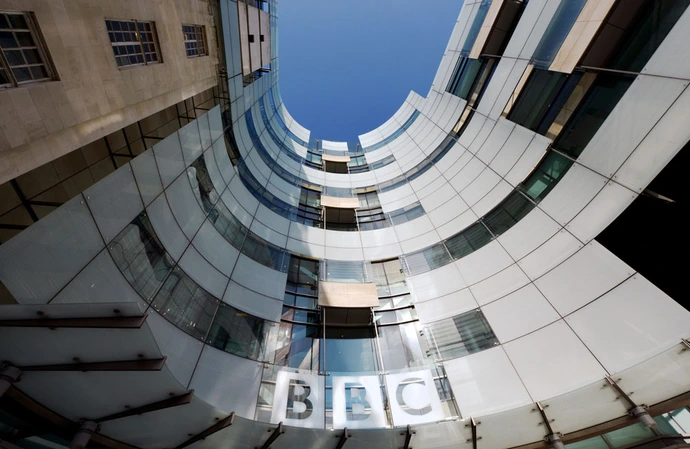
Netflix and Amazon Prime users face being forced to pay the BBC licence fee.
As ministers continue to examine how the corporation should be funded in the future, Culture Secretary Lisa Nandy was pressed in the House of Commons over reports users of subscription streaming platforms could eventually be required to contribute towards BBC funding.
The debate comes as the corporation faces mounting financial pressure ahead of the renewal of its Royal Charter, which expires in December 2027.
Under the current system, a television licence is required for anyone watching or recording live television on any channel or using BBC iPlayer.
But speculation has grown in recent months about whether the funding model could be expanded as viewing habits continue to shift away from traditional broadcasting towards services including Netflix, Amazon Prime Video and Disney+.
Responding to Conservative MP Bradley Thomas, who asked her to “rule out extending the BBC licence fee to streaming services”, Ms Nandy stopped short of giving such a guarantee.
She said: “We have been very careful not to get drawn into speculation about the future funding arrangements for the BBC, except to say that we have ruled out a levy on streamers.
“We have also ruled out direct taxation going to fund the BBC, because of the need for the BBC to retain its independence.”
Ms Nandy added she looked forward to further discussions on the issue during the charter renewal process.
The comments come just months after the Culture Secretary pledged the BBC would receive a permanent Royal Charter, describing the current review as the “last of its kind”.
The charter establishes the broadcaster’s governance framework, safeguards its editorial independence and outlines its public service obligations.
The licence fee increased to £180.50 in April, rising by £5.50 and adding to household costs during an ongoing cost-of-living squeeze.
It was an increase which prompted criticism from some campaigners and politicians, while the BBC has argued its finances have come under sustained pressure in recent years.
According to figures cited by the corporation, around 94 per cent of adults in the UK use BBC services each month, while approximately 80 per cent of households pay the licence fee.
BBC executives have previously suggested wider participation in the funding model could potentially reduce the cost borne by individual households.
The broadcaster has warned it faces a period of “managed decline”, with income falling by around 25 per cent over the past decade.
The BBC has also said it lost more than £1billion through licence fee evasion and cancellations in 2024.
As part of efforts to balance its finances, the corporation has already introduced a savings programme worth £500million, a move expected to result in around 2,000 job losses in what has been described as its biggest downsizing programme in 15 years.
Reports earlier this year suggested ministers were examining alternatives to the current funding model but remained cautious about moving towards systems based primarily on advertising revenue or direct subscription payments.
The debate comes as the BBC faces increasing competition from global streaming platforms including Netflix, Amazon Prime Video and Disney+, which have transformed viewing habits and intensified competition for audiences, advertising and production talent across the television industry.