
Former BBC Radio 1 DJ and Live Aid presenter Andy Kershaw has died aged 66
Former BBC Radio 1 DJ and Live Aid presenter Andy Kershaw has died aged 66 following a cancer diagnosis, his family has confirmed.
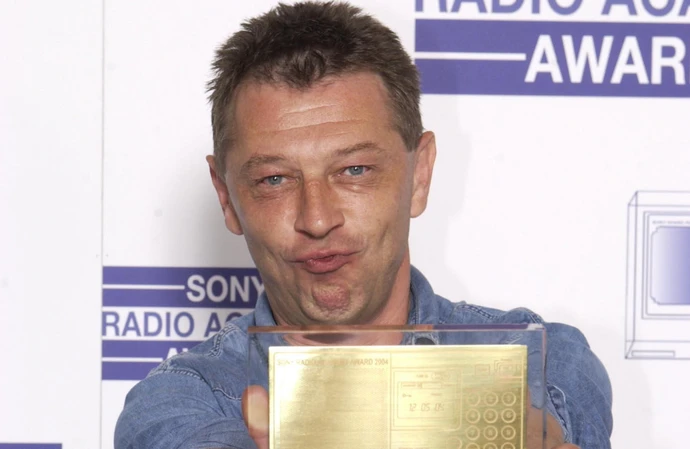
Andy Kershaw, the former BBC Radio 1 DJ and Live Aid presenter known for his distinctive broadcasting style and passion for global music, has died aged 66.
His family confirmed he passed away at around 19:30 on Thursday (16.04.26). It had previously been announced in January that Kershaw had been diagnosed with cancer and was unable to walk.
Born in Rochdale in 1959, Kershaw went on to become one of the most recognisable voices on British radio during his 15-year tenure at BBC Radio 1, which began in 1985. He built a reputation for championing world music and introducing audiences to artists and sounds from across the globe.
He began his career in the early 1980s at Radio Aire in Leeds, working in promotions after studying at Leeds University.
During this period, he developed early industry connections, including broadcaster Martin Kelner, which helped shape his broadcasting journey.
Kershaw first gained wider television recognition in 1984 when he presented BBC Two’s The Old Grey Whistle Test, having been spotted while working as a roadie and driver for musician Billy Bragg.
The following year, he became part of the BBC’s presenting team for Live Aid, the landmark global charity concert organised by Bob Geldof and Midge Ure in aid of famine relief in Ethiopia.
In 1985, he joined BBC Radio 1, where his eclectic taste and unconventional presenting style set him apart. He was later viewed by some within the industry as a possible successor to legendary DJ John Peel. His sister, Liz Kershaw, also worked at the station during the same era.
His late-night Radio 1 programme ended in 2000 during a major scheduling restructure. His final shows featured artists including Willie Nelson and Lou Reed.
Following his departure from BBC Radio 1, Kershaw moved into documentary journalism and reporting for BBC Radio 4, covering both music and international conflict zones, including the Rwandan genocide in 1994.
He also worked with BBC Radio 3, continuing his global music focus and travelling extensively for broadcasts across countries including Iraq, Iran and North Korea.
In later years, he returned to radio with Music Planet, co-presented with Lucy Duran, exploring traditional music in remote locations. He also published his autobiography No Off Switch in 2011.
Kershaw was widely respected for his outspoken humour, once saying broadcasters should give audiences “what they didn’t know they wanted.”
After his cancer diagnosis, he joked he intended “not to die before several world leaders and Ant and Dec".