
Gavin and Stacey's Melanie Walters narrowly escaped losing thousands to scammers
Gavin and Stacey alum Melanie Walters was targeted twice by scammers within the space of six weeks.
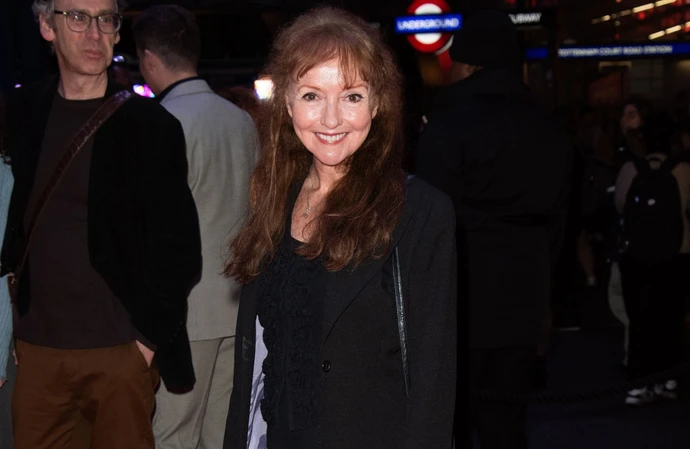
Melanie Walters almost lost thousands of pounds after being targeted twice by scammers in the space of six weeks.
The Gavin and Stacey actress was sent a fake email that appeared to be from her bank, then a letter in the post, but Melanie narrowly dodged a nightmare outcome after pure gut instinct forced her not to hand over personal information.
Melanie - who was oblivious to them being scams until she took the email and letter to her bank - told the Daily Mail: "It was just very unnerving, as it is for an awful lot of people.
"I didn't lose any money, thank goodness, but it was surprising how much the scammers knew, and I think that took me by surprise."
The 64-year-old star - best known for playing Gwen West in Gavin and Stacey - said the fake email claimed that her business account had been compromised.
It also noted that the account had "extra security", and included a link offering her a "free year credit score check" from a "very reputable company" as compensation - which was an immediate red flag to Melanie.
She said: "Even I know you don't click on the link in an email. So that's the first thing, that sort of thing, hang on a second.
"But I thought, well, how do you know, it's my bank, and the address looked OK, and how do they know that I've opened a bank account if it is a scam, so could it be reached?
"I mean, I wasn't sure, but I didn't like the fact that it was asking me to click on a link. So I actually wrote the link address in a different window, and actually, this reputable company came up.
"But there was something about it that I really thought, 'You know what, sit on your hands, Walters.'"
Melanie's friend informed her it was a scam, but six weeks later, the Death Valley star received another letter - likely from the same scammers.
She recalled: "I was away working, and then I came back, and it must have been about six weeks later, and this again is the thing that slightly unnerved me because it was like the long game.
"So six weeks later, I come back, and there's a letter for me, one of those old-fashioned things called a letter!
"And it was from a completely different bank that I have no dealings with, saying, 'Dear Ms Walters, a bank account has been opened in your name with us.
"'Some red flags were raised, so we closed the account, and we're just telling you that this has happened.'
"So they weren't asking for anything, this particular letter, this particular bank. It was just purely information - 'do with it what you will' type of information.
"So of course, I immediately think, 'Well, that email was real, my data has been compromised, and now there's somebody going around the UK opening up bank accounts in my name.'"
Melanie resisted clicking on the links to fix the issue and went to her bank the following morning, ultimately to be told that both incidents were scams, as her bank would not send out emails offering free promotions from a particular firm.
She recalled: "I said, 'Both of them?' I took the email and the letter. They said, 'One, we wouldn't send this type of email out. We would never offer anything free from a particular company.'
"And I said, 'What about this letter?' And this was six weeks later. And they said, 'It's probably the same group of scammers playing the long game to make you think exactly what I thought.'
"Obviously, when people offer you something free for a year or three months free, you still have to put in your details, because then you subscribe to something, and then they say you can unsubscribe at any point.
"So I think ultimately that would have led me putting my details in and putting my card details in.
"I mean, that's what I'm assuming, but of course I didn't do anything in the end."