
Do Poker Movies Treat the Sport With the Respect it Deserves?
How is poker represented on-screen?
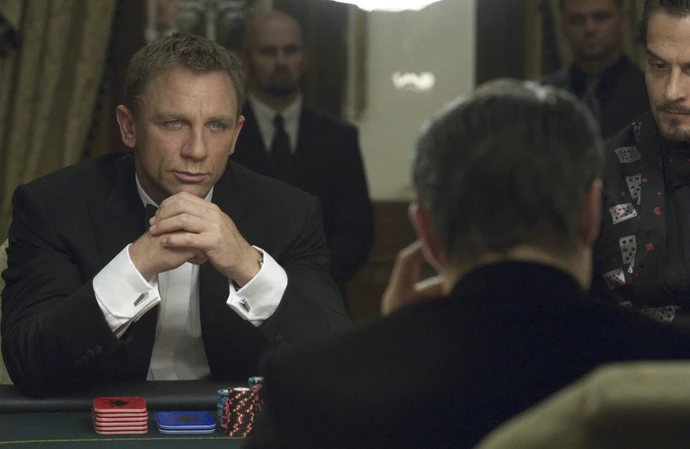
Poker films sell a version of the game that works on screen but fails under scrutiny. The cards fall too perfectly. The bets make no sense. A player stares down an opponent, calls a bluff with nothing, and wins the hand through sheer will. Audiences leave theaters with the impression that poker rewards the bold and punishes the timid. The reality involves mathematics, patience, and a tolerance for losing that Hollywood rarely bothers to portray. What gets sacrificed when filmmakers prioritize drama over accuracy, and does it matter?
The Hollywood Hand Problem
Casino Royale features one of the most famous poker scenes in film history. James Bond sits at a table in Montenegro, faces down a villain, and wins with a straight flush. The problem is that the hand preceding his is a four-of-a-kind, and another player holds a full house. According to PokerNews, this combination appearing at a single table is statistically absurd. A royal flush alone occurs roughly 1 in 649,740 hands. Stacking multiple premium hands together pushes the probability into territory that no serious player would accept.
Filmmakers do this because watching someone fold for 45 minutes makes for poor cinema. Poker at a high level involves long stretches of nothing. Players wait for spots. They study opponents. They make small adjustments based on position and stack sizes. None of this translates well to a 2-hour runtime where the audience needs conflict and resolution.
When Pros Point Out the Flaws
Professional players have started calling out the gaps between screen poker and the real thing. Four-time World Poker Tour champion Darren Elias, who has earned more than $13.4 million in live tournaments, reviewed iconic poker scenes for Business Insider. He noted that in Rounders, Teddy KGB bets $2,000 into a $400 pot. Elias called this unrealistic, saying it almost never happens from a competent player.
Daniel Negreanu has coached actors like Tobey Maguire and even appeared in X-Men Origins: Wolverine playing poker against Gambit. He recently said that authenticity matters and people are drawn to real. When someone who has spent decades at the tables speaks up, it suggests the gap between cinema and genuine play remains wide.
Why Rounders Still Gets Credit
PokerNews considers Rounders the most authentic poker film despite its flaws. The movie captures something about the grind that other films miss. Matt Damon's character loses everything, rebuilds, and faces opponents who think differently than he does. The settings feel correct. The language is accurate. Players talk about outs and implied odds in ways that actual professionals recognize.
The Teddy KGB bet sizing remains a valid criticism. But the film succeeds because it treats poker as a pursuit with its own logic and culture. Characters discuss the game like people who have spent years at tables. They know the rhythms. They understand that winning requires discipline over extended periods rather than one dramatic confrontation.
The Dramatization Trap
Films need conflict condensed into discrete scenes. A poker hand lasts minutes. A tournament lasts days. This mismatch creates pressure to compress everything into high-stakes showdowns where fortunes change on single cards. The result is a version of poker where luck dominates and skill becomes secondary.
Real poker rewards consistency. A winning player might lose 60% of sessions in a given month and still profit. Variance spreads outcomes across thousands of hands. The best players accept short-term losses because they understand their edge manifests over time. Movies cannot show this without boring their audience.
What Gets Lost
The mental component disappears almost entirely from film portrayals. Professional poker requires emotional control under pressure. Players must make mathematically correct decisions even when those decisions feel wrong. They fold strong hands. They call with weak ones. The reasoning behind each choice involves probabilities that audiences would find tedious if explained.
Films also skip the preparation. Serious players study hand histories. They analyze opponents using software. They discuss strategy with coaches and peers. The work happens away from the table. By the time a professional sits down to play, most of the intellectual labor is already complete.
Does Accuracy Matter?
The answer depends on what you expect from entertainment. Poker films bring people to the game. They create interest in something that might otherwise seem inaccessible. A teenager watches Rounders and decides to learn the rules. That introduction has value even if the film takes liberties.
The cost is a persistent misunderstanding of what poker involves. People who learned the game from movies tend to overvalue bluffs and undervalue position. They expect to read opponents through physical tells rather than betting patterns. Correcting these assumptions takes time.
A Middle Ground Exists
Some productions hire consultants. Negreanu's work with actors suggests a willingness from professionals to contribute. The information is available. Studios could produce films that satisfy both casual viewers and people who know the game.
The choice not to pursue accuracy is commercial. Executives believe audiences prefer spectacle. They may be right. But as poker content spreads across streaming platforms and social media, viewers have more access to real gameplay than ever before. The contrast between authentic poker and its cinematic counterpart becomes harder to ignore.
Poker films treat the sport as raw material for stories about risk and redemption. The game itself receives less attention than the feelings it generates. This approach works for general audiences and frustrates anyone who has put in the hours to learn what poker actually requires.