
Jack White reveals true feelings on Taylor Swift lyrics in deleted social media post
Jack White had admitted he found the idea of exploring her personal style of writing to be "a little bit boring".
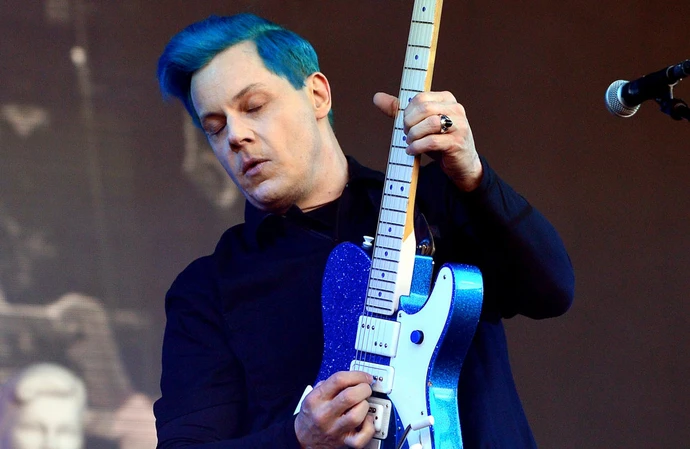
Jack White has insisted he never said Taylor Swift's music was "boring".
The 50-year-old musician came under fire for his comments about poetry and songwriting when he discussed the Anti-Hero pop star's approach to storytelling in her songs, compared to his own way of penning a tune.
In a since-deleted Instagram post, he wrote: “Putting this up for a day and then taking down to just put this to bed,.
“I didn’t say that I think Taylor Swift’s music was ‘boring’ or whatever click bait the net is trying to scrape together.
"What I was trying to say in an interview I did about poetry and lyric writing, was that I don’t find it interesting at all for ME to write about MYSELF in my own lyric writing and poetry because I think that it could be repetitive for ME to always write about and It could be uninteresting for people who listen to my music to delve into, and that imaginary characters are more attractive to me as a writer.”
He pointed to Taylor's own "tremendous success", and the way other songwriters have their own way of creating art.
He added: "They should do what works for them, And they do, and it is obviously appealing to many people, and I’m glad to hear that.”
Over the weekend, Jack's comments from a recent interview made waves as he explained why he has no interest in turning his personal life into chart material.
Asked by The Guardian newspaper whether he writes much from personal experience, the former White Stripes frontman replied: “Not too much.”
He then expanded on why he avoids the confessional approach dominating mainstream pop.
Jack said: “Now it’s become very popular in the Taylor Swift way of pop singers writing about all of their publicly aired break-ups, which I don’t find interesting at all. I think it’s a little bit boring for me to write about myself.”
The Seven Nation Army hitmaker said he prefers to channel difficult or emotional experiences into fictional characters rather than present them directly.
He explained: “If it’s something really painful, I’m not going to put this important, painful thing that I went through out there for some idiot on the internet to stomp all over.
“So I put a percentage of that into what I do and then morph it into somebody else’s character. I can’t really learn about myself until I put it into somebody else’s shoes.”