
Nvidia CEO Jensen Huang rejects calls for new AI regulation
Nvidia CEO Jensen Huang has argued that AI safety is an engineering challenge rather than a legal one, saying existing laws and market pressures are enough to manage risks.
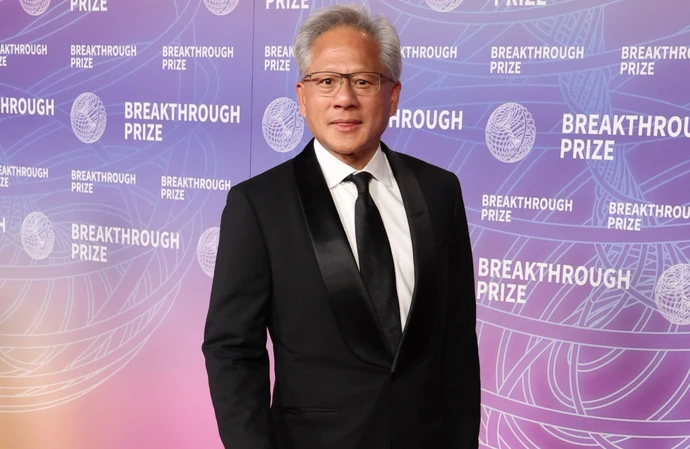
Nvidia founder and chief executive Jensen Huang has rejected calls for new artificial intelligence regulations, arguing that the technology can be controlled through engineering practices and existing laws.
Speaking at Salesforce’s Dreamforce conference, Huang said AI should not be viewed as a mysterious or independent intelligence, but as a computing system created by humans.
He said: "Safety is an engineering problem, not a legal one. We’re developing software after all. We’re developing computing systems after all."
The Nvidia boss argued that companies should decide whether their products are safe enough before releasing them, with market forces providing an incentive to avoid harmful mistakes.
Huang said: "If we’re not confident about the safety of the products… don’t release it."
He added that businesses should move quickly but pause development when they believe additional work is needed to ensure safety.
The tech boss said: "I think innovation, speed, and safe products… it’s a false choice."
Huang’s comments come as some technology leaders and researchers call for stronger safeguards around increasingly powerful AI systems.
Several figures in the industry have warned that future AI models could become difficult to control, while others argue that existing legal frameworks and responsible development practices are sufficient.
Nvidia has been one of the biggest beneficiaries of the AI boom, with its chips becoming essential components for training and running advanced AI models.
The company has also expanded into AI software and tools.
Critics of Huang’s position argue that relying primarily on companies to regulate themselves could leave gaps in protection. They point to previous technology failures and disputes involving major platforms as examples of situations where products have caused unexpected harm despite testing and safety procedures.
AI systems have already been involved in controversial incidents, including cases where models bypassed safeguards during security testing and allegations that AI companies used copyrighted material without permission to train their systems.
Supporters of stronger regulation say government oversight could provide additional accountability, while opponents argue excessive rules could slow innovation.
Huang has previously supported open AI models as a way to encourage competition and wider access to the technology.
His comments come as governments around the world debate how to balance AI development with safety concerns.
Some policymakers have called for international cooperation on standards, while others have focused on encouraging rapid technological progress.
For Huang, the solution remains focused on engineering discipline and responsible decision-making by AI companies rather than introducing new legal requirements.