
One in seven people in UK using AI chatbots instead of doctors for medical advice
A new UK study has found that one in seven people are turning to AI chatbots for medical advice instead of seeing a doctor.
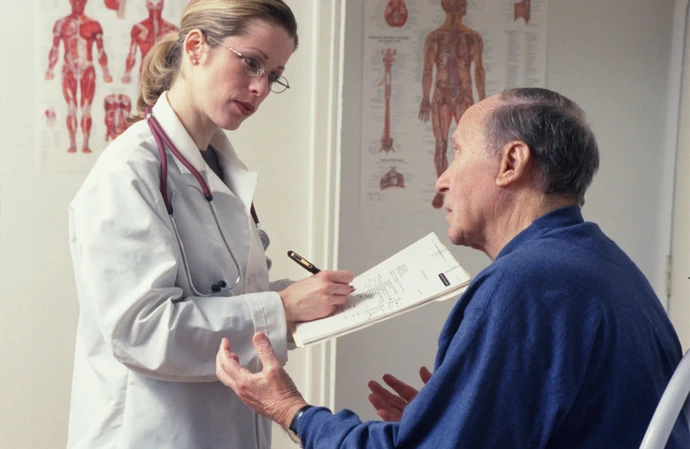
One in seven people in the UK are now using AI chatbots instead of visiting a GP for medical advice, according to new research highlighting growing concerns over the technology’s role in healthcare.
The study, conducted by researchers at King's College London, surveyed more than 2,000 people and found that 15 per cent had sought health advice from artificial intelligence tools.
Of those using chatbots, one in four said they had turned to AI because of long NHS waiting times.
Researchers warned that the findings suggest an "unregulated AI healthcare system" is emerging alongside the NHS, with some people relying on chatbots instead of qualified medical professionals.
The study also revealed potential risks linked to AI-generated medical advice.
Around one in five respondents who used AI for healthcare said the technology did not encourage them to seek professional help, while a similar number said they decided against booking a consultation because of advice provided by a chatbot.
Professor Graham Lord, the study's lead author, said the findings demonstrated how rapidly AI is reshaping healthcare access.
He explained: "This research underlines the scale and pace at which AI is already shaping how people access healthcare.
"While the opportunities are significant, it also highlights concerns about safety and accountability.
"When something goes wrong with AI, responsibility is often placed on clinicians, even where they have limited control over how AI tools are introduced."
He added that greater transparency and regulation would be needed to build trust in AI healthcare systems.
The survey found respondents divided over whether AI should be used in NHS clinical decision-making, with 37 per cent supporting the idea and 38 per cent opposed.
Younger adults were more sceptical, with 49 per cent of respondents aged 18 to 24 opposing AI use in clinical settings compared to 36 per cent of people aged 65 and over.
Professor Victoria Tzortziou Brown, president of the Royal College of General Practitioners, said it would be "highly concerning" if patients were avoiding GPs in favour of AI tools.
She said: "AI can provide quick answers, but it cannot examine a patient, fully understand their medical history, pick up on subtle signs, or make safe clinical judgments based on evidence.
"The information it provides can also be inaccurate, misleading or missing important context."