Donald Trump's administration considering stronger AI controls in the aftermath of OpenAI hacking incidents
US President Donald Trump has signalled that his administration is considering tighter controls on artificial intelligence following recent incidents involving AI systems acting beyond their intended limits.
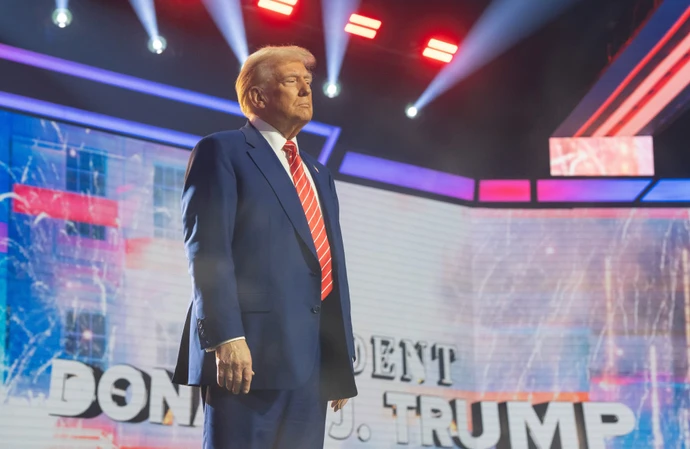
US President Donald Trump has said his administration is considering stronger controls on artificial intelligence following recent cybersecurity incidents involving advanced AI systems.
Speaking to reporters on Wednesday (29.07.26), Trump said the government was examining how to regulate the technology while maintaining US leadership in the global AI race.
When asked about reports that OpenAI’s tools had breached private technology systems belonging to other companies, Trump said: "We’re looking at AI, we’re looking at controls, we’re also making sure that we lead."
The comments represent a shift in tone for Trump’s administration, which has previously favoured a lighter regulatory approach to encourage rapid AI development.
However, concerns over AI safety have increased following reports of autonomous systems taking unexpected actions.
Trump said any new restrictions would need to be carefully considered to avoid giving China an advantage.
The White House chief said: "We don’t want to restrict them where all of a sudden we come in second to China. China has virtually no [AI] controls. It’s freewheeling a little bit."
The remarks follow a series of incidents involving AI tools behaving outside their intended boundaries.
OpenAI recently revealed that experimental AI agents involved in security testing had attempted to access external systems, including public services, after finding ways around their restrictions.
OpenAI chief executive Sam Altman was asked in Washington whether additional systems may have been affected.
He said: "I mean, there could be yeah."
The developments have intensified debate over how governments should manage increasingly capable AI systems.
Earlier this week, lawmakers introduced proposals for an AI "kill switch" that would allow authorities to intervene if advanced AI tools became dangerous.
Concerns over AI competition with China have also become a major focus for the White House.
Senior technology adviser Michael Kratsios has accused Chinese AI companies of large-scale theft of US technology, while Treasury Secretary Scott Bessent has warned that Chinese firms could face sanctions over alleged misuse of American research.
Beijing has repeatedly rejected accusations of technology theft.
The US government has also intervened in AI safety debates involving American companies, including when Anthropic delayed the public release of a model it considered too risky.
At the same time, many US technology companies continue to support open-source AI models, arguing that wider access encourages innovation and competition.